
Why Does My AC Smell Like Gas? Causes, Risks, and What to Do
- Jayant Upadhyay
- Jul 16, 2025
- 4 min read

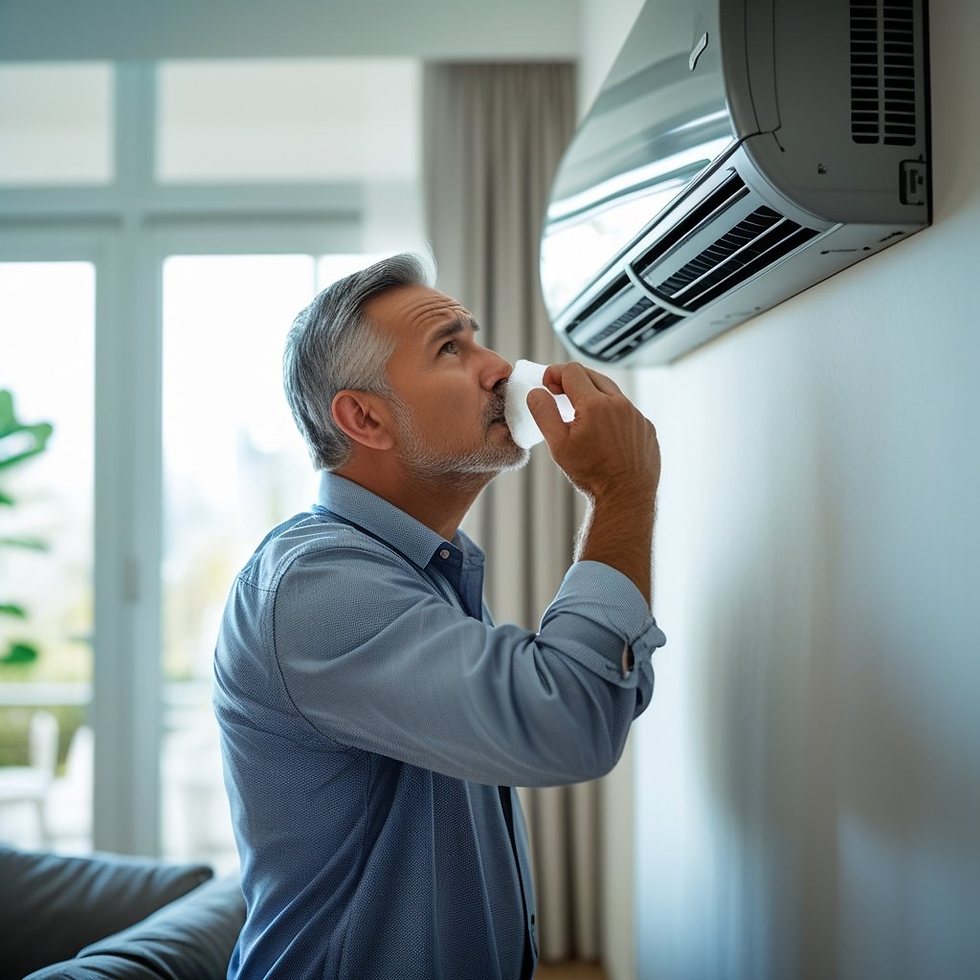
A gas-like smell coming from your air conditioner can be alarming. If you've ever asked yourself, "Why does my AC smell like gas?", you're not alone. While central air conditioners don't typically run on natural gas, a strong odor resembling gas or chemicals is a clear sign something's wrong. It could point to a dangerous issue or a relatively minor fix—but it should never be ignored.
In this detailed guide, we’ll break down the causes of gas-like smells in AC systems, whether they pose a health risk, and what steps you need to take right away.
📑 Table of Contents
Understanding the Smell: What “Gas” Odor Means
Is It Natural Gas or Something Else?
Common Reasons Your AC Smells Like Gas
Dangerous Smells vs. Harmless Odors
What to Do If You Smell Gas from Your AC
Health Risks Associated With AC Odors
Diagnosing Specific AC Smells
DIY Troubleshooting (and When to Stop)
Calling a Professional HVAC Technician
Preventive Maintenance Tips
FAQs
Final Thoughts
1. Understanding the Smell: What “Gas” Odor Means
When people say their AC smells like gas, they usually mean:
A sulfuric or rotten egg smell
A chemical-like odor
A burning or fuel-like scent
Although AC units don’t burn natural gas, these smells could result from:
Nearby gas leaks (from furnaces, water heaters, grills)
Refrigerant leaks (smell similar to ether or acetone)
Burning components in the HVAC system
2. Is It Natural Gas or Something Else?
🔥 Central ACs typically do not use natural gas.
However, gas-like smells might still be due to:
A nearby gas-powered furnace or appliance
A gas leak outside that’s drawn in through the return duct
Leaking refrigerant from the AC system
Safety Tip: If you detect a rotten egg smell, it could be a natural gas leak. Evacuate immediately and call your utility provider or 911.
3. Common Reasons Your AC Smells Like Gas
1. Nearby Natural Gas Leak
HVAC systems can circulate air from nearby rooms. If a gas leak occurs in the kitchen, laundry room, or attic, the AC can spread the odor throughout your home.
2. Gas Furnace Malfunction (in Combo Systems)
If your HVAC includes a gas furnace, a cracked heat exchanger or leaky valve could allow gas to mix into the AC ducts.
3. Refrigerant Leak
Refrigerants like R-22 or R-410A aren’t odorless. They can emit chemical or sweet odors, often mistaken for gas.
4. Burnt Electrical Components
Worn capacitors, relays, or wiring can overheat and emit gas-like or plastic-burning odors.
5. Dead Animals
Rodents, birds, or lizards can get trapped and die inside ductwork or the air handler. The decomposition can cause a sulfur or ammonia-like smell.
6. Dirty or Overheated Filters
A clogged air filter can overheat or trap airborne chemicals, resulting in strange smells when the AC runs.
7. Mold or Mildew in the System
Though not gas, heavy mildew or bacteria in your evaporator coil or drain pan can mimic a strong, chemical-like odor.
4. Dangerous Smells vs. Harmless Odors
Smell | Cause | Severity |
Rotten eggs | Natural gas leak | 🚨 Very High |
Ether/solvent smell | Refrigerant leak | 🚨 High |
Burning plastic | Electrical issue | 🚨 High |
Musty smell | Mold or mildew | ⚠️ Moderate |
Sour/vinegar | Dirty filter or bacteria | ⚠️ Low |
When in doubt, treat any strong, unusual odor from your AC as a potential emergency until proven otherwise.
5. What to Do If You Smell Gas from Your AC
Immediate Actions:
Turn off your AC system at the thermostat.
Check for gas leaks near stoves, furnaces, and water heaters.
If the smell is strong and persistent, leave the home immediately.
Call your gas company or fire department from outside the building.
Ventilate your space by opening doors and windows.
Do not turn on lights, use your phone indoors, or create any sparks.
6. Health Risks Associated With AC Odors
🔺 Natural Gas Leaks:
Explosive hazard
Dizziness, nausea, headaches
Risk of carbon monoxide poisoning if incomplete combustion occurs
🔺 Refrigerant Exposure:
Eye and respiratory irritation
Dizziness, confusion
Environmental hazard (many refrigerants are greenhouse gases)
🔺 Electrical Issues:
Fire risk
Exposure to burning insulation and plastic fumes
🔺 Mold/Mildew:
Allergies
Asthma flare-ups
Chronic respiratory infections
7. Diagnosing Specific AC Smells
Smell | Likely Cause |
Rotten eggs | Natural gas leak or dead animal |
Ether/sweet | Refrigerant leak |
Burning plastic | Faulty capacitor or motor |
Musty smell | Mold in air handler or ducts |
Vinegar or sour | Dirty filter or bacterial growth |
8. DIY Troubleshooting (and When to Stop)
✅ You Can:
Replace air filter
Look for dead animals in ducts
Clean drain pans
Use a refrigerant leak detector (if qualified)
❌ Don’t Attempt:
Opening sealed electrical components
Repairing refrigerant leaks
Fixing gas leaks
Important: If you suspect refrigerant or gas leaks, call a licensed technician immediately.
9. Calling a Professional HVAC Technician
A professional can:
Use gas leak detectors and refrigerant sniffers
Repair damaged components
Replace old wiring or motors
Clean ducts and coils
Confirm if the smell is from mold, animals, or chemicals
Cost: Diagnostic visits range from $75 to $200; repairs vary widely based on the issue.
10. Preventive Maintenance Tips
🧼 Clean your AC coils and drip pans annually
🧊 Check for ice or frost on the evaporator coils (may signal a refrigerant issue)
🔧 Replace worn electrical parts before failure
🧪 Schedule a refrigerant leak check every 2–3 years
🧰 Always replace filters every 1–2 months (especially in summer)
11. FAQs
Q: Why does my AC smell like rotten eggs?
Likely causes: natural gas leak, sewer gas from a nearby drain, or a dead animal in the ducts.
Q: Can an AC refrigerant leak smell like gas?
Yes. Some refrigerants emit a sweet or ether-like smell that resembles gas or acetone.
Q: Is it dangerous to inhale refrigerant?
Yes. Prolonged exposure can affect your lungs, nervous system, and overall health.
Q: Should I still worry if the smell is faint?
Yes—any unusual odor should be inspected, especially if it persists or worsens.
12. Final Thoughts
If your AC smells like gas, it's not something to brush off. Even if it's not a true natural gas leak, the smell can point to:
Serious HVAC malfunctions
Refrigerant exposure
Fire hazards from faulty wiring
Or health issues due to mold or bacteria
Your best course of action:
Shut off the system
Ventilate your home
Call a professional HVAC technician or your gas utility immediately
With regular inspections and preventive maintenance, you can avoid costly repairs—and keep your home safe and breathable all year round.



Comments